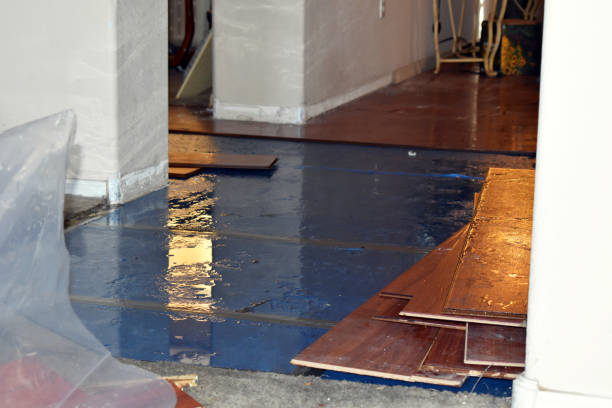
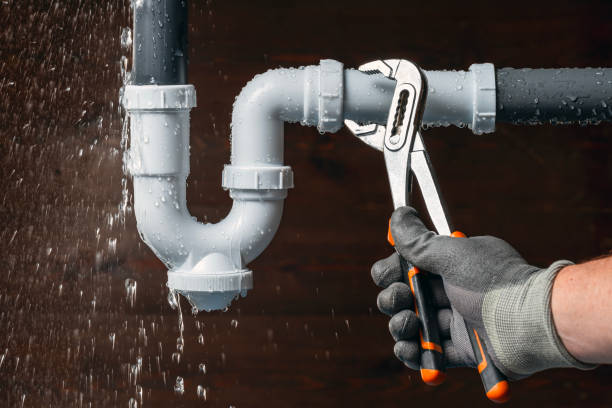
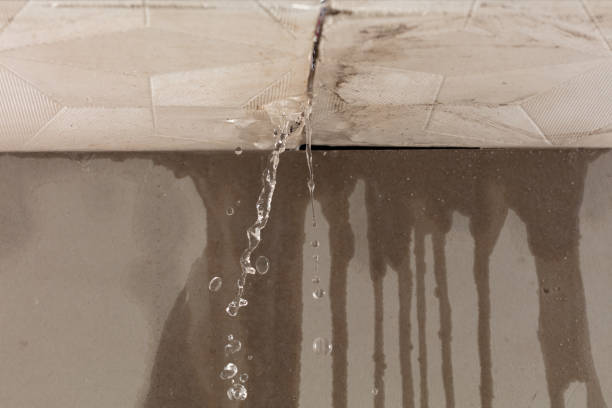
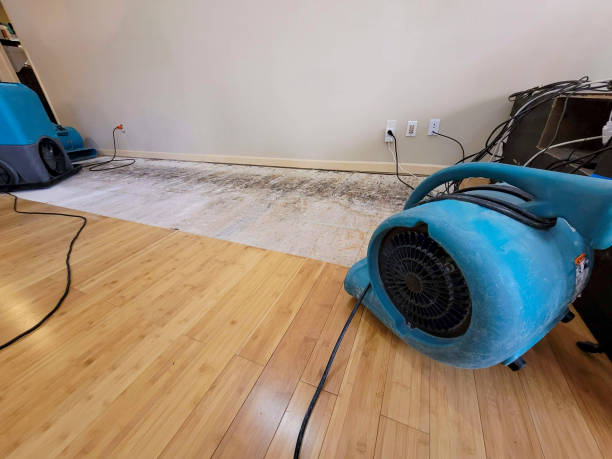
A structure that looks dry on the surface can still hold dangerous moisture inside walls and subfloor. Our Structural Drying And Dehumidification process tests what you can't see, not just what you can.
Call +1-844-833-1325 Now
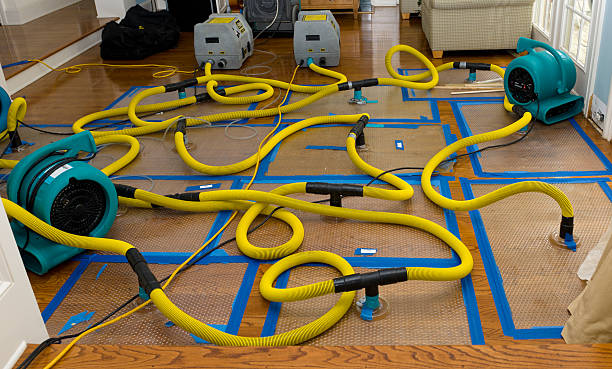
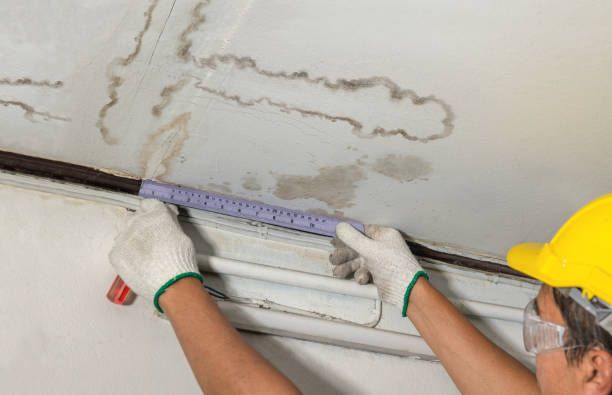
Psychrometric readings — temperature, humidity, and grain depression — tell us exactly how much moisture the air can absorb, which is the actual science behind where we place air movers, not a guess based on how a room looks.
None of this is unique to a big loss either — the same standard applies whether it's a single-room structural drying and dehumidification call or a larger one.
These four things matter together, not in isolation — certification, speed, honest pricing, and the right equipment are what actually change the outcome of a structural drying and dehumidification call.
Ask for credentials before the work starts, not after — a legitimate structural drying and dehumidification specialist will have them ready.

Air mover and dehumidifier placement follows actual humidity and temperature readings, not a default pattern.
Logs are shared throughout the job so you always know where the drying stands.
We match dehumidifier capacity to the actual square footage and moisture load, not a one-size unit.
We re-test every affected area before calling the drying phase complete.
Every piece of structural drying and dehumidification work below follows the same documentation standard, whether it's a small job or a larger one.

This data drives equipment placement instead of guessing based on how a room looks.
Air movers get positioned to create optimal airflow patterns across wet materials, not just pointed at the wall.
LGR units pull moisture from the air faster than standard dehumidifiers, especially in high-humidity conditions.
Moisture meter readings get logged daily across every affected material until targets are hit.
Thermal cameras catch hidden moisture pockets inside walls and under flooring that a surface check would miss.
Documentation includes daily readings, equipment placement, and the final verification numbers.
Four steps, no guesswork, from your first call to a verified structural drying and dehumidification result.
A real person answers, asks a few fast questions, and routes the nearest available crew.
The truck that arrives is stocked specifically for Structural Drying And Dehumidification jobs, not a generic handyman setup.
The assessment sets the whole plan, so we don't rush it even when the visible damage looks minor.
A job isn't closed on a visual check — it's closed on a verified reading.


"The daily drying log meant we always knew exactly where the job stood."
Carlos V., Baltimore"Our crawl space held humidity longer than expected and they adjusted the dehumidifier setup accordingly."
Wendy K., Baltimore"Thermal imaging at the final check caught a spot that still needed another day of drying."
Marcus T., Baltimore"Our office had a slow leak and the LGR dehumidifiers pulled the humidity down faster than I expected."
Angela F., BaltimoreThese are the questions we hear most often about structural drying and dehumidification, gathered from real calls, not a generic template list.

Our structural drying and dehumidification coverage spans 21218 21211 21210 21213 21212 21215 21214 21217 21216 21233 21231 21230 21239 21251 21209 21202 21206 21207 21205 21287 21201 21223 21224 21225 21226 21229 21203 21263 21264 21270 21273 21275 21278 21279 21281 21290 21297 21298 21240, with trucks positioned to reach any address in the service area quickly.
Whether your address sits in the city core or a neighboring zip code, the same structural drying and dehumidification response standard applies.